

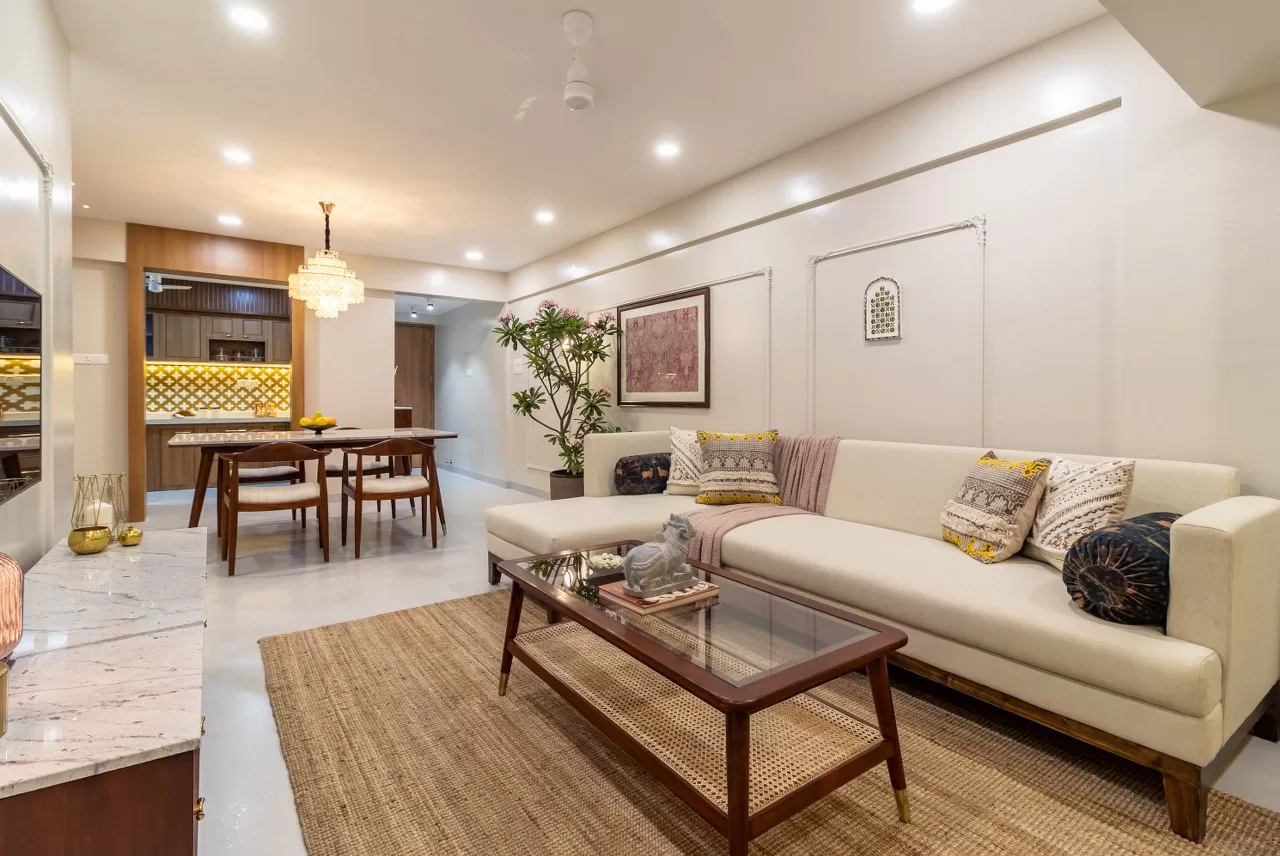
Renovating an apartment doesn’t have to be overwhelming. Whether you are freshening a rental or overhauling a condo you own, the key is knowing where to start. In 2026, an “apartment renovation“ typically costs between $10,000 and $45,000 depending on the scope. Smart planning—like focusing on “high-impact” areas like the kitchen backsplash and lighting—can cut that number significantly while providing the highest return on investment.
If you are renting, the first rule is simple: always get written permission from your landlord before touching anything. Many surface-level upgrades like painting, swapping cabinet hardware, or changing light fixtures are allowed – and they make a massive difference without risking your deposit.
Where Should You Start?
Most designers will tell you: start with the spaces you use most. For most people, that is the kitchen or bathroom. These rooms have the highest return on investment – and the biggest impact on daily life.
A kitchen refresh does not have to mean a full gut renovation. Painting cabinets, installing a new backsplash, and replacing hardware can completely transform the space for under $1,500. In a bathroom, re-caulking the tub, replacing the vanity, and updating fixtures can feel like a whole new room.
Room-by-Room Renovation Cost Breakdown
Here is a realistic look at what different renovation projects typically cost for an apartment:
| Room / Area | Budget Refresh | Mid-Range Reno | Full Overhaul |
| Kitchen | $800 – $2,000 | $5,000 – $12,000 | $20,000+ |
| Bathroom | $500 – $1,500 | $4,000 – $9,000 | $15,000+ |
| Living Room | $300 – $1,000 | $2,000 – $5,000 | $8,000+ |
| Bedroom | $200 – $800 | $1,500 – $4,000 | $6,000+ |
| Flooring (whole apt) | $600 – $1,500 | $3,000 – $7,000 | $12,000+ |
Renter vs. Owner: What You Can Actually Do
Your renovation options depend heavily on whether you rent or own. Here is the honest breakdown:
Renters can usually paint walls (with permission), swap light fixtures, install removable wallpaper, add peel-and-stick backsplash tiles, and use furniture to redefine the layout. These changes are reversible, which keeps your landlord happy and your deposit safe.
Owners have far more freedom – but also more responsibility. You can knock down non-load-bearing walls, retile, replace flooring, update plumbing fixtures, and redesign layouts. Just be aware that any work affecting plumbing, electrical, or structure will likely need permits.
Budgeting Smart: 5 Ways to Save Without Cutting Corners
- Paint first – it is the cheapest transformation with the biggest visual impact.
- Shop secondhand for furniture and fixtures – sites like Facebook Marketplace and Craigslist often have nearly new items.
- Reface, do not replace – cabinet refacing costs 50-70% less than full replacement.
- DIY what you can – demo work, painting, and simple installs are learnable from YouTube.
- Get at least three quotes for any contractor work – prices vary wildly.
Do You Need a Permit?
This question trips up a lot of apartment renovators. Generally speaking, cosmetic work does not require permits. But the moment you start moving walls, altering plumbing, or upgrading electrical panels, you are in permit territory – regardless of whether you rent or own.
Skipping required permits is not just technically illegal – it can void your home insurance, create problems when you sell, and leave you liable if something goes wrong. When in doubt, call your local building department. A quick five-minute conversation can save you a lot of headaches later.
Final Thoughts
The best apartment renovations are the ones done with a clear plan, a realistic budget, and an honest assessment of what you can and cannot change. Start small, document everything, and tackle one room at a time. You will be surprised how much a few focused improvements can change the way an apartment feels – without draining your savings.
